In the world of macroeconomics, February 2026 may go down as the “calm before the storm.” Official data released on Monday, March 16, 2026, reveals that India’s merchandise trade deficit narrowed to $27.1 billion, outperforming economist expectations of $28.8 billion.
Add businessleague.in as a Preferred Source


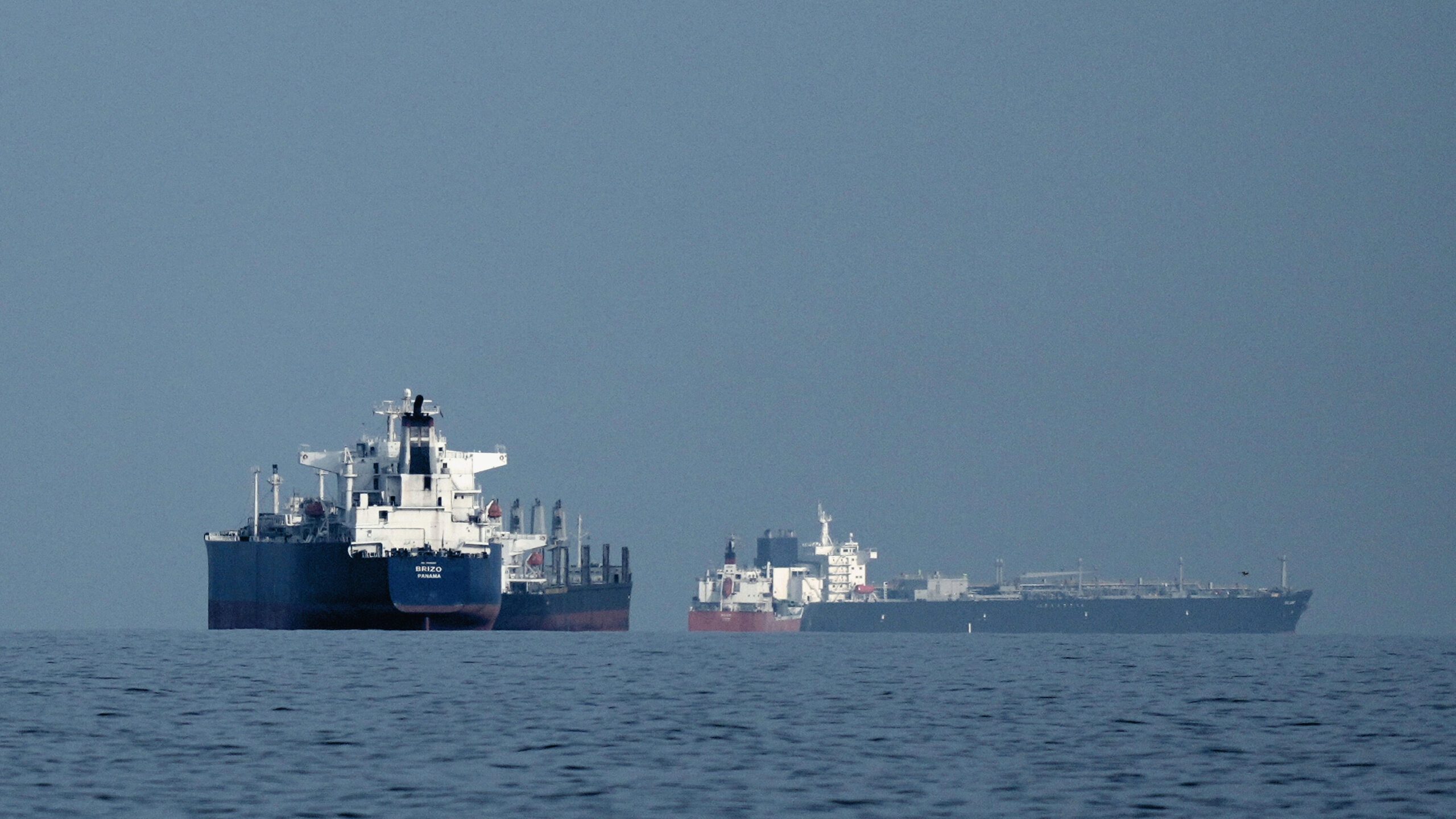
However, this “Goldilocks” window—where imports moderated and services exports remained robust—is already being slammed shut by the escalating Iran-US-Israel conflict. With the Strait of Hormuz now effectively blocked and Brent crude surging past $104 per barrel, the trade invoices for March are expected to look radically different.
Also Read |Tamil Nadu Voter List Purge: 97 Lakh Names Deleted in SIR Phase 1
The February Snapshot: Why the Deficit Shrink?
The narrowing of the deficit was driven almost entirely by a moderation in the import bill rather than an export boom.
-
Merchandise Imports: Fell to $63.71 billion from January’s $71.24 billion.
-
Merchandise Exports: Remained stagnant at $36.61 billion, suggesting that global demand for Indian manufactured goods is still struggling in a high-tariff, high-conflict environment.
The Services Safety Net: India’s Hidden Strength
While the merchandise side showed a large gap, India’s burgeoning services sector (IT, professional services, and business consulting) continues to act as the economy’s primary shock absorber.
-
Services Surplus: The services trade surplus for the April–February period reached a record $201 billion.
-
Overall Balance: When services are factored in, India’s total trade deficit for February was a mere $3.96 billion, a figure that keeps the current account deficit (CAD) within manageable limits.
The Strait of Hormuz Crisis: March Realities
The “Strait of Hormuz” crisis, which escalated on March 2, 2026, has fundamentally altered the trade landscape.
-
Shipping Costs: Freight and insurance premiums for Gulf routes have spiked 4-6 times in the last two weeks.
-
Rerouting: Exporters of agricultural staples like rice and textiles are now forced to take longer, more expensive routes around Africa or through northern corridors to reach key Middle Eastern and European markets.
Also Read |Tamil Nadu Voter List Purge: 97 Lakh Names Deleted in SIR Phase 1
Energy Security: Crude Oil and LPG Pressure
India is uniquely vulnerable to the blockade because of its import structure.
-
Crude Oil: Roughly 50% of India’s crude (2.5–2.7 million barrels per day) transits through the Strait. While India has a 50-day strategic reserve, prolonged closure could force a reliance on expensive spot-market purchases from the US and Russia.
-
LPG (Cooking Gas): This is the “bigger vulnerability.” India imports 80-85% of its LPG, with 90% typically coming through Hormuz. Unlike oil, India has very limited strategic reserves for gas, leading to the “panic buying” and long queues seen outside gas agencies in Delhi and Mumbai last week.
Reality Check
The narrowing deficit in February is a technical win, but it feels hollow in mid-March. Still, India’s $700 billion+ foreign exchange reserves and the services surplus provide a buffer that most emerging markets lack. Therefore, while the trade deficit will widen in March due to $104 oil, the Indian economy is far more resilient than it was during the 2013 “Taper Tantrum” or even the 2022 energy shock.
The Loopholes
The Ministry says exports are “doing well.” In fact, this is a “Composition Loophole”—while engineering and electronics exports rose by 10-12%, traditional sectors like gems and jewelry and petroleum products are struggling. Therefore, the “strength” is concentrated in a few high-tech hubs rather than the broader labor-intensive manufacturing sector. Still, the “LPG Loophole” remains; the government is prioritising domestic household supply, but this means commercial users (restaurants, small industries) are facing 20% supply cuts, which will eventually manifest as “food inflation” by April.
Also Read |Tamil Nadu Voter List Purge: 97 Lakh Names Deleted in SIR Phase 1
What This Means for You
If you are a consumer or small business owner, prepare for cost-push inflation. First, realize that the $104 oil price will soon translate into higher transportation and logistics surcharges for everything from groceries to e-commerce deliveries. Then, if you use a domestic LPG cylinder, understand that while supply is being prioritized for households, you should avoid “panic booking” to prevent further strain on the distribution network.
Finally, understand that the Rupee is under pressure. You should expect the USD/INR to test the 84-85 level if oil stays above $100 for another two weeks. Before you plan any international travel or large imports, check for the RBI’s latest currency intervention reports to gauge how much the central bank is willing to defend the currency.
What’s Next
Expect March trade data to show a sharp spike in the import bill due to energy costs. Then, look for the government to announce “alternative sourcing” deals for LPG from the US and Norway by late March. Finally, expect the services sector to be the only reason India avoids a full-blown balance-of-payments crisis in the first quarter of FY2026-27.
Also Read |Tamil Nadu Voter List Purge: 97 Lakh Names Deleted in SIR Phase 1
End….
Add businessleague.in as a Preferred Source
We have taken all measures to ensure that the information provided in this article and on our social media platform is credible, verified and sourced from other Big media Houses. For any feedback or complaint, reach out to us at businessleaguein@gmail.com