


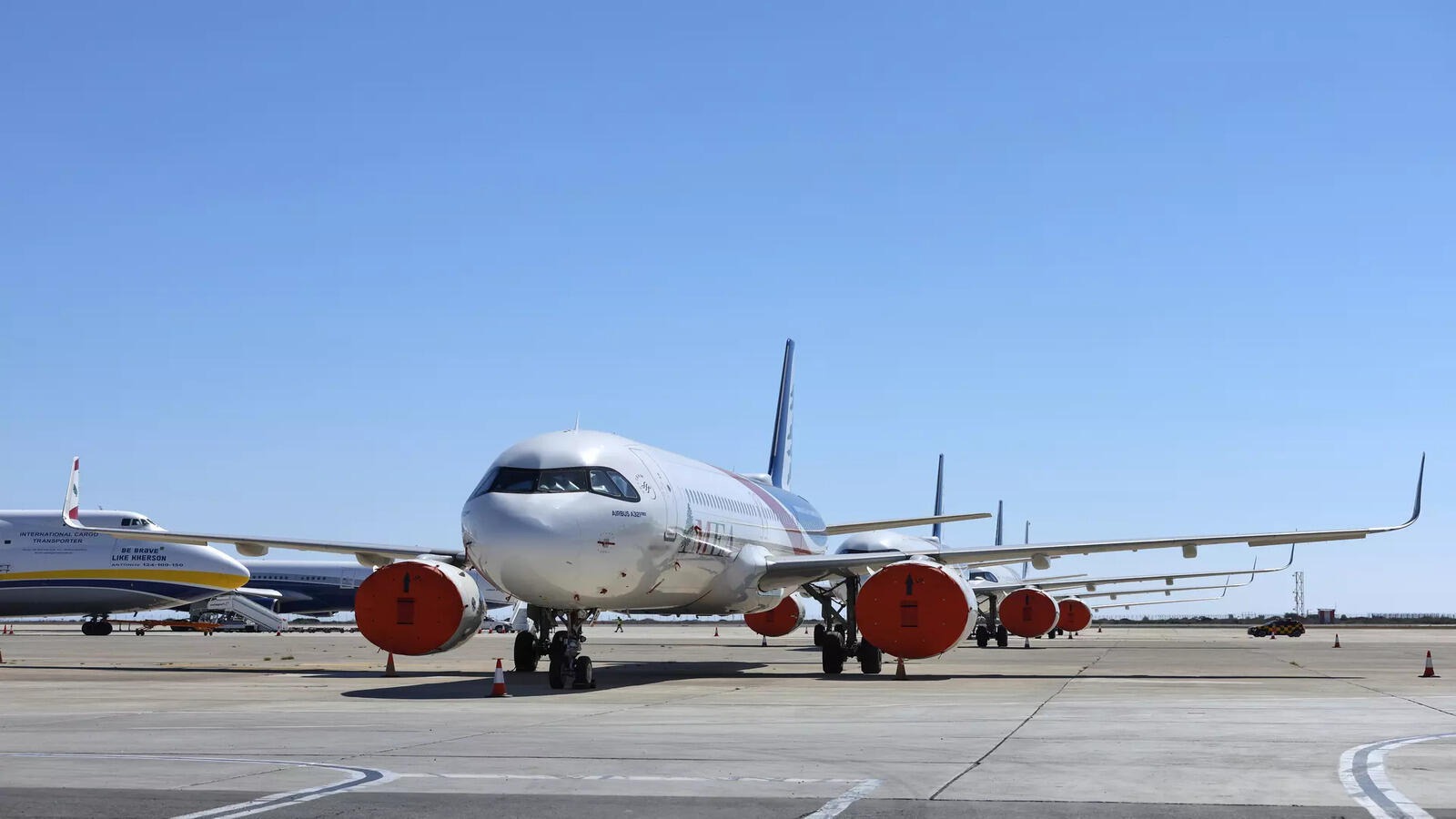
On Wednesday, March 11, 2026, the global aviation industry is grappling with a paradox: a conflict centered in West Asia is causing ticket prices to spike for travelers thousands of miles away. As the military confrontation between the US-Israel alliance and Iran intensifies, the Middle East—the world’s most critical aviation bridge—has become a bottleneck.
Add businessleague.in as a Preferred Source


Air travel works like a digital web; when the “central node” is compromised, every connected route feels the strain. From increased fuel surcharges to the logistical nightmare of rerouting long-haul flights, here is why your next international trip is becoming significantly more expensive.
Also Read |Tamil Nadu Voter List Purge: 97 Lakh Names Deleted in SIR Phase 1
1. The Middle East: A Key Aviation Bridge
The Middle East serves as the geographic heart of global air travel, connecting Asia, Europe, and Africa.
-
The Corridor: Flights between major hubs like London and Singapore or Delhi and New York traditionally pass over Iran, Iraq, and Gulf states.
-
The Hub Effect: Global giants like Dubai (DXB), Doha (DOH), and Abu Dhabi (AUH) are major transit points. With these airspaces restricted, the global network faces a “traffic jam” effect, forcing airlines to seek alternative, less efficient paths.
2. Longer Routes Mean Higher Fuel Costs
Airlines are now flying “the long way around,” which has a compounding effect on costs.
-
Increased Burn: Taking a detour adds several hours to a flight, causing aircraft to burn significantly more fuel.
-
Technical Halts: Some long-haul flights that were previously direct now require “technical fuel stops” in cities like Muscat, adding landing fees and ground handling costs to the ticket price.
-
Crew Overtime: Longer flight times mean higher labor costs as crew schedules are pushed to their legal limits.
3. Oil Prices: The $120 Barrier
Aviation fuel is the single largest expense for any carrier, and its price is directly tied to global crude.
-
The Spike: Brent crude hit $120 per barrel this week, causing jet fuel prices to jump by 58% in seven days.
-
Surcharges: Many airlines have already reintroduced “Fuel Surcharges,” which are added directly to the base fare of international tickets.
Also Read |Tamil Nadu Voter List Purge: 97 Lakh Names Deleted in SIR Phase 1
4. Supply and Demand: The “Squeeze”
The conflict has led to the widespread cancellation of services to and from the region.
-
Capacity Reduction: With fewer planes in the air but traveler demand remaining high, the remaining available seats are sold at “emergency premium” rates.
-
The Dubai-Delhi Gap: A stark example of this imbalance is seen in current fares: while a Delhi-to-Dubai flight costs roughly ₹14,500, the return leg (Dubai-to-Delhi) is priced at ₹38,400 as people scramble to leave the conflict zone.
Reality Check
The current airfare hike is a “war tax” on global mobility. Still, the 58% surge in jet fuel is the highest weekly increase recorded in the last decade. Therefore, while analysts hope these prices are temporary, the “rerouting” habit—once established for safety—often sticks for months even after a ceasefire. In fact, for Indian airlines, this is a “Double Blow,” as they are already forced to take longer routes due to the ongoing ban on using Pakistani airspace for certain flights.
The Loopholes
Airlines say prices are up due to “fuel and routes.” In fact, this is a “Yield Optimization Loophole”—when capacity drops, airline algorithms automatically push prices to the maximum “willingness to pay” threshold. Therefore, you are paying for the scarcity of the seat as much as the cost of the fuel. Still, the “Flexible Booking Loophole” remains; many travelers with “non-refundable” tickets are finding they can get full refunds or free changes if their flight is rerouted through a different technical stop, as it constitutes a “significant change in schedule.”
Also Read |Tamil Nadu Voter List Purge: 97 Lakh Names Deleted in SIR Phase 1
What This Means for You
If you are planning an international trip, prepare for unpredictable schedules. First, realize that your flight could be 2–3 hours longer than what is printed on your original ticket. Then, if you are flying to the US or Europe from India, understand that fares will likely remain at 1.5x to 2x levels until the Strait of Hormuz situation stabilizes.
Finally, understand that travel insurance is now mandatory. You should ensure your policy specifically covers “War-related disruptions” and “Airspace closures,” as standard policies often have “Force Majeure” clauses that exclude these events. Before you book, check if Air India or IndiGo’s special flights (which have sovereign backing) offer more stability than international carriers.
What’s Next
The International Air Transport Association (IATA) is expected to meet this Friday to discuss “Safe Corridor” protocols. Then, look for a potential further hike in ticket prices if Brent crude stays above $115 for another week. Finally, expect more technical stops at Muscat and Istanbul as airlines formalize their “detour” routes for the summer 2026 schedule.
Also Read |Tamil Nadu Voter List Purge: 97 Lakh Names Deleted in SIR Phase 1
End….
Add businessleague.in as a Preferred Source

