


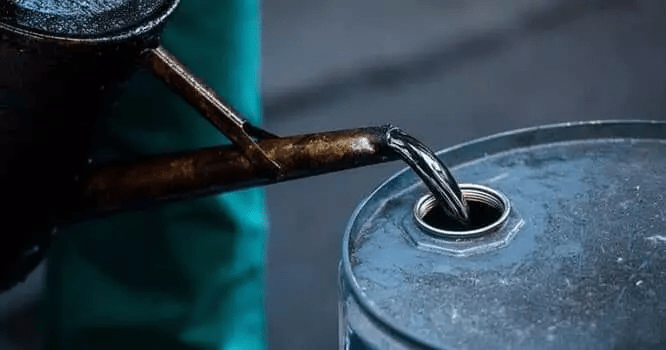
In a significant policy pivot, the Central Government has announced an ad hoc allocation of Public Distribution System (PDS) Kerosene to all States and Union Territories. This 60-day emergency measure is designed to act as a “safety net” for households currently facing delays or constraints in Liquified Petroleum Gas (LPG) refills due to ongoing regional supply chain pressures.
Add businessleague.in as a Preferred Source


Also Read |Tamil Nadu Voter List Purge: 97 Lakh Names Deleted in SIR Phase 1
The order prioritizes ensuring that basic domestic needs—specifically cooking and lighting—do not face disruption during this volatile period.
key Features of the Emergency Allocation
The most striking aspect of this directive is the temporary reversal of “Kerosene-Free” statuses across the country:
-
Reintroduction in 21 Regions: PDS Superior Kerosene Oil (SKO) will be temporarily reintroduced in 21 States and UTs that had previously transitioned to being 100% LPG-reliant.
-
Targeted Use Case: The fuel is strictly earmarked for household cooking and lighting, preventing its diversion to industrial or automotive sectors.
-
60-Day Window: This is a time-bound intervention (April–May 2026) intended to bridge the gap until LPG logistics stabilize.
Also Read |Tamil Nadu Voter List Purge: 97 Lakh Names Deleted in SIR Phase 1
Why the Shift Back to Kerosene?
For years, the government has pushed the Pradhan Mantri Ujjwala Yojana to move India away from “dirty” cooking fuels. However, the current West Asia crisis has created a “bottleneck” in LPG imports.
-
Logistics Pressure: While India has enough reserves, the physical movement of LPG cylinders is slower than the immediate demand spike.
-
Dual-Fuel Security: By providing kerosene through the existing PDS (Ration Shop) network, the government is creating a secondary fuel channel that reduces the “panic booking” of LPG cylinders.
-
Cost Buffer: PDS kerosene is heavily subsidized, offering relief to low-income families who might otherwise turn to expensive alternative fuels during a shortage.
Investigative Insight: The “Import-Substitution” Reality
While the Ministry of Petroleum maintains that India has “adequate reserves,” the reality of the Strait of Hormuz case-by-case passage means that LPG tankers are arriving in “clusters” rather than a steady stream. This creates temporary dry spells in bottling plants. By releasing PDS kerosene now, the Centre is effectively buying 60 days of diplomatic and logistical breathing room. Furthermore, this move prevents a surge in the use of firewood or coal, which would have a detrimental impact on the air quality goals set for 2026.
Also Read |Tamil Nadu Voter List Purge: 97 Lakh Names Deleted in SIR Phase 1
End…..
Add businessleague.in as a Preferred Source

