In a major pre-emptive strike against rising industrial inflation, the Ministry of Finance announced a total waiver of customs duty on 40 essential petrochemical products on Thursday, April 2, 2026. This emergency intervention aims to protect Indian manufacturers from the “second-round” inflationary effects of the escalating West Asia conflict, which has severely disrupted global crude and feedstock supply chains.
Add businessleague.in as a Preferred Source


The “Nil Duty” status comes into effect immediately and is slated to remain in force until June 30, 2026.
Also Read |Tamil Nadu Voter List Purge: 97 Lakh Names Deleted in SIR Phase 1
The “Zero-Duty” List: Key Industrial Inputs
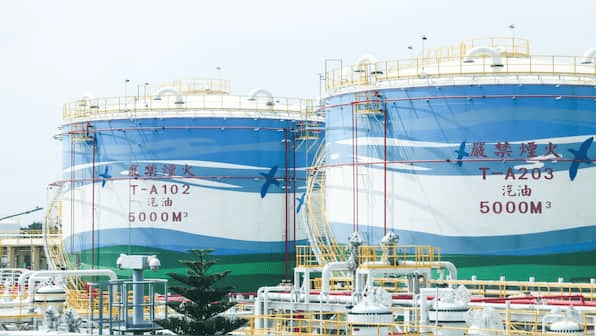
The waiver covers a massive spectrum of chemicals that form the backbone of Indian manufacturing, from textiles to pharmaceuticals.
| Category | Key Included Products | Impacted Industries |
| Basic Feedstocks | Methanol, Phenol, Acetic Acid, Monoethylene Glycol (MEG) | Pharma, Dyes, Solvents |
| Core Polymers | Polyethylene (PE), Polypropylene (PP), PVC, Polystyrene | Plastics, Packaging, Auto |
| Advanced Materials | Epoxy Resins, Polycarbonates, PET Chips, Polyurethanes | Electronics, Construction |
| Textile Inputs | Purified Terephthalic Acid (PTA) | Synthetic Fabrics, Apparel |
Strategic Objectives: Containing the “Oil Shock”
By reducing the landed cost of these chemicals to zero, the government is addressing three critical macroeconomic risks:
Also Read |Tamil Nadu Voter List Purge: 97 Lakh Names Deleted in SIR Phase 1
-
Feedstock Volatility: Since most of these chemicals are crude-oil derivatives, the Strait of Hormuz blockade had threatened to double their import costs.
-
Supply Chain Stability: The waiver encourages importers to source from alternative markets (like Southeast Asia or the US) without being penalized by the previous duty structure.
-
Inflation Management: By keeping raw material costs low for the Plastics, Packaging, and Textile sectors, the government hopes to prevent a spike in the prices of daily consumer goods.
Global Context: The West Asia Pressure Cooker
The timing of the notification—April 2—follows a week of extreme energy volatility where Brent Crude touched $105 and Aviation Fuel briefly doubled. While the government has used its “Excise Shield” to freeze retail petrol prices, it recognized that industrial “input inflation” could be just as damaging to the economy as high fuel prices.
Investigative Insight: The “Three-Month” Gamble
The Finance Ministry’s choice of an expiry date—June 30, 2026—is a clear signal that the Indian government expects the “peak” of the West Asia military conflict to resolve within the current quarter. This aligns with President Trump’s “two-to-three week” de-escalation timeline mentioned during his March 31 briefing.
However, there is a hidden risk: by making imports “duty-free,” the government is temporarily hurting domestic petrochemical giants like Reliance Industries (RIL) and GAIL, who now have to compete with cheaper, untaxed global imports. This suggests the government is prioritizing national inflation control over the quarterly profits of domestic energy behemoths. If the conflict extends into July, we may see a “Phase 2” of this waiver, potentially including more finished chemical goods to keep the ₹73,670 Sensex momentum alive.
Also Read |Tamil Nadu Voter List Purge: 97 Lakh Names Deleted in SIR Phase 1
End…..
Add businessleague.in as a Preferred Source
🙏 Support Independent Journalism
We keep news free for you.
Most readers support with ₹500 ❤️
or scan QR below

Voluntary contribution. No tax benefits.
DISCLAIMER
We have taken all measures to ensure that the information provided in this article and on our social media platform is credible, verified and sourced from other Big media Houses. For any feedback or complaint, reach out to us at businessleaguein@gmail.com