


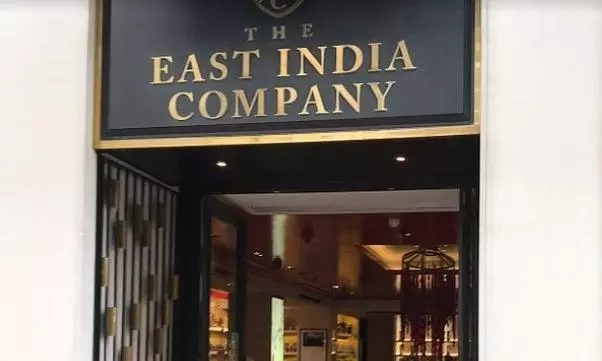
In a quiet end to a loud legacy, the modern incarnation of the East India Company (EIC) has collapsed into liquidation. While the original company was a paramilitary corporate giant that once controlled half of global trade and a private army of 250,000, its 21st-century successor was a boutique luxury retailer selling high-end teas and chocolates in London’s Mayfair.
Add businessleague.in as a Preferred Source


The shuttering of the Bond Street flagship and the deactivation of its digital presence marks the final chapter for a brand that attempted to pivot from “Empire” to “Heritage.”
Also Read |Tamil Nadu Voter List Purge: 97 Lakh Names Deleted in SIR Phase 1
The Redemption Narrative: Sanjiv Mehta’s Vision
The revival in 2010 was a significant cultural moment. Sanjiv Mehta, an Indian-born entrepreneur, spent years tracking down the company’s disparate shareholders to consolidate the brand under his ownership.
-
Symbolism: Mehta framed the acquisition as a historical reversal, telling media in 2010, “I had this huge feeling of redemption—the feeling of owning a company that once owned us.”
-
Luxury Pivot: The brand sought to compete with the likes of Fortnum & Mason, offering premium teas, confectionery, and “curated” goods that referenced the Silk Road and spice trades without the colonial baggage.
The Liquidation Audit: Debt and Dissolution
Despite the romanticism of its “Indian-owned” status, the business fundamentals failed to sustain the high-rent demands of London’s luxury corridors.
-
The Debt Pile: Companies House filings reveal the firm owes £600,000 to its BVI-registered parent company.
-
Tax and Wages: The company faces £193,789 in tax liabilities and owes approximately £163,105 to former employees.
-
Winding-up Petition: A separate entity, East India Company Collections Limited, was hit with a winding-up petition last week—a legal “last resort” typically used by creditors to force a bankruptcy.
Also Read |Tamil Nadu Voter List Purge: 97 Lakh Names Deleted in SIR Phase 1
Historical Echoes: 1857 vs. 2026
This is the second time the East India Company has ceased to exist.
-
1858: Following the 1857 Rebellion (First War of Independence), the British Crown took over the company’s territories, effectively ending its corporate-state hybrid rule due to “corruption and mismanagement.”
-
2026: The current dissolution is purely commercial, driven by the harsh realities of the post-pandemic luxury retail market in the UK.
Reality Check
The “Redemption” story was a powerful marketing tool. Still, the East India Company name carries a heavy burden of systemic exploitation and famine policies that claimed millions of lives. Therefore, while Mehta attempted to “reclaim” the brand, the sheer weight of its historical controversy made it a difficult sell for a modern, socially conscious consumer base. In fact, many historians argued that the brand should never have been revived for “luxury” purposes given its dark past.
The Loopholes
The company is registered under an “East India Company Group” in the British Virgin Islands (BVI). In fact, this is a “Jurisdiction Loophole”—while the retail shop was in London, the ownership structure was offshore. Therefore, creditors may find it difficult to recover the full £600,000 owed. Still, the “Winding-up Loophole” allows creditors to seize any remaining physical stock—like those tea gift boxes still listed on Selfridges—to recoup a fraction of their losses.
Also Read |Tamil Nadu Voter List Purge: 97 Lakh Names Deleted in SIR Phase 1
What This Means for You
If you are a collector of EIC memorabilia or a fan of their tea, buy what remains now. First, realize that once the liquidation is finalized, the trademarked name may sit dormant for decades or be sold off in parts. Then, if you are an investor in “heritage” brands, take this as a cautionary tale: a famous name cannot always overcome a high-debt structure and a controversial history.
Finally, understand that gift cards or vouchers for the East India Company are now likely worthless. You should contact the appointed liquidators if you are a creditor or an employee seeking unpaid wages. Before you mourn the “end of an era,” remember that the 2010 revival was a marketing reboot, whereas the 1857 collapse was a world-altering geopolitical event.
What’s Next
The empty store at 97 New Bond Street is currently being marketed for a new tenant. Then, the liquidators will begin the process of “asset realization,” which may include selling the valuable “East India Company” trademark. Finally, look for a final auction of the company’s “Collections” (coins and artifacts) later this year as creditors attempt to close the books on EIC 2.0.
Also Read |Tamil Nadu Voter List Purge: 97 Lakh Names Deleted in SIR Phase 1
End….
Add businessleague.in as a Preferred Source

