


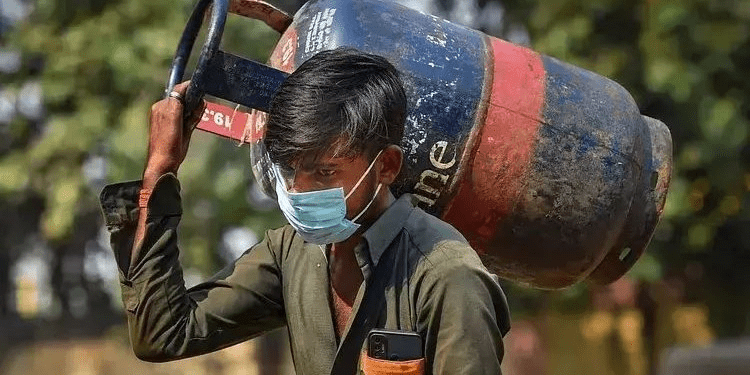
In a direct response to the escalating West Asia conflict and the subsequent global oil shock, state-owned oil marketing companies (OMCs) hiked the prices of commercial LPG by ₹195.50 on Wednesday, April 1, 2026. This marks the third consecutive monthly increase, pushing commercial cylinder rates to a nearly four-year high.
Add businessleague.in as a Preferred Source


While businesses face rising costs, the government has kept domestic LPG rates unchanged, providing a temporary shield for Indian households.
Also Read |Tamil Nadu Voter List Purge: 97 Lakh Names Deleted in SIR Phase 1
LPG Price Update: April 1, 2026
The revision primarily impacts the 19-kg cylinders used by hotels, restaurants, and small industries.
| City | 19-kg Commercial LPG | Change | 14.2-kg Domestic LPG |
| New Delhi | ₹2,078.50 | +₹195.50 | ₹913.00 |
| Mumbai | ₹2,031.00 | +₹196.00 | ₹912.50 |
| Kolkata | ₹2,208.00 | +₹218.00 | ₹939.00 |
| Chennai | ₹2,246.50 | +₹203.00 | ₹928.50 |
Also Read |Tamil Nadu Voter List Purge: 97 Lakh Names Deleted in SIR Phase 1
The Fuel Price Freeze: Petrol & Diesel
Despite Brent crude prices surging nearly 50% since late February due to the blockade of the Strait of Hormuz, retail prices for petrol and diesel at state-run pumps (IOCL, BPCL, HPCL) remain frozen. This stability is largely attributed to the ₹10 per litre excise duty cut implemented by the Centre on March 27 to curb inflation ahead of the new financial year.
-
Petrol (Delhi): ₹94.77 per litre
-
Diesel (Delhi): ₹87.67 per litre
-
Private Retailers: Note that private pumps (like Nayara Energy) may charge a premium of ₹3–₹5 more than state-run outlets to cover rising import costs.
Investigative Insight: The “Hospitality Squeeze”
While the stability of domestic LPG (₹913) is a relief for the middle class, the ₹218 hike in Kolkata and other metros for commercial gas will likely lead to “menu-card inflation.” Restaurant owners, already grappling with higher vegetable and dairy costs, now face a ₹2.07 lakh per kl ATF bill (for logistics) and a ₹2,000+ gas bill.
Furthermore, the government’s 60-day emergency measure to reallocate PDS Kerosene to states suggests they are preparing for a potential “LPG supply crunch” if the Hormuz blockade persists. By ensuring domestic rates stay flat, the Centre is absorbing massive losses through OMCs, a strategy that is sustainable only if the conflict de-escalates by the next price revision on May 1.
Also Read |Tamil Nadu Voter List Purge: 97 Lakh Names Deleted in SIR Phase 1
End…..
Add businessleague.in as a Preferred Source

