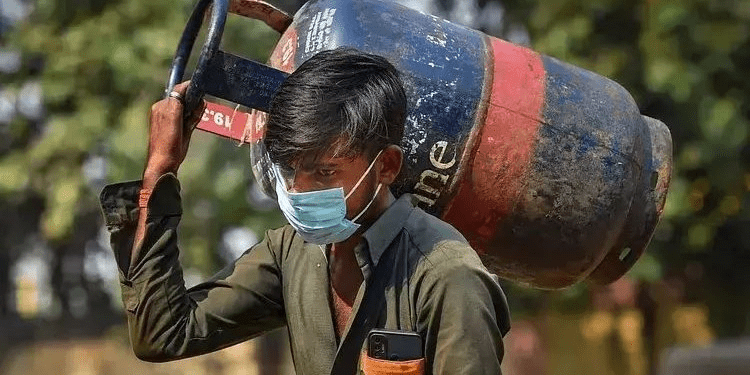
In a direct response to the escalating West Asia conflict and the subsequent global oil shock, state-owned oil marketing companies (OMCs) hiked the prices of commercial LPG by ₹195.50 on Wednesday, April 1, 2026. This marks the third consecutive monthly increase, pushing commercial cylinder rates to a nearly four-year high.
Add businessleague.in as a Preferred Source


While businesses face rising costs, the government has kept domestic LPG rates unchanged, providing a temporary shield for Indian households.
Also Read |Tamil Nadu Voter List Purge: 97 Lakh Names Deleted in SIR Phase 1
LPG Price Update: April 1, 2026
The revision primarily impacts the 19-kg cylinders used by hotels, restaurants, and small industries.
| City | 19-kg Commercial LPG | Change | 14.2-kg Domestic LPG |
| New Delhi | ₹2,078.50 | +₹195.50 | ₹913.00 |
| Mumbai | ₹2,031.00 | +₹196.00 | ₹912.50 |
| Kolkata | ₹2,208.00 | +₹218.00 | ₹939.00 |
| Chennai | ₹2,246.50 | +₹203.00 | ₹928.50 |
Also Read |Tamil Nadu Voter List Purge: 97 Lakh Names Deleted in SIR Phase 1
The Fuel Price Freeze: Petrol & Diesel
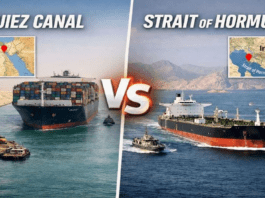
Despite Brent crude prices surging nearly 50% since late February due to the blockade of the Strait of Hormuz, retail prices for petrol and diesel at state-run pumps (IOCL, BPCL, HPCL) remain frozen. This stability is largely attributed to the ₹10 per litre excise duty cut implemented by the Centre on March 27 to curb inflation ahead of the new financial year.
-
Petrol (Delhi): ₹94.77 per litre
-
Diesel (Delhi): ₹87.67 per litre
-
Private Retailers: Note that private pumps (like Nayara Energy) may charge a premium of ₹3–₹5 more than state-run outlets to cover rising import costs.
Investigative Insight: The “Hospitality Squeeze”
While the stability of domestic LPG (₹913) is a relief for the middle class, the ₹218 hike in Kolkata and other metros for commercial gas will likely lead to “menu-card inflation.” Restaurant owners, already grappling with higher vegetable and dairy costs, now face a ₹2.07 lakh per kl ATF bill (for logistics) and a ₹2,000+ gas bill.
Furthermore, the government’s 60-day emergency measure to reallocate PDS Kerosene to states suggests they are preparing for a potential “LPG supply crunch” if the Hormuz blockade persists. By ensuring domestic rates stay flat, the Centre is absorbing massive losses through OMCs, a strategy that is sustainable only if the conflict de-escalates by the next price revision on May 1.
Also Read |Tamil Nadu Voter List Purge: 97 Lakh Names Deleted in SIR Phase 1
End…..
Add businessleague.in as a Preferred Source
🙏 Support Independent Journalism
We keep news free for you.
Most readers support with ₹500 ❤️
or scan QR below

Voluntary contribution. No tax benefits.
DISCLAIMER
We have taken all measures to ensure that the information provided in this article and on our social media platform is credible, verified and sourced from other Big media Houses. For any feedback or complaint, reach out to us at businessleaguein@gmail.com