


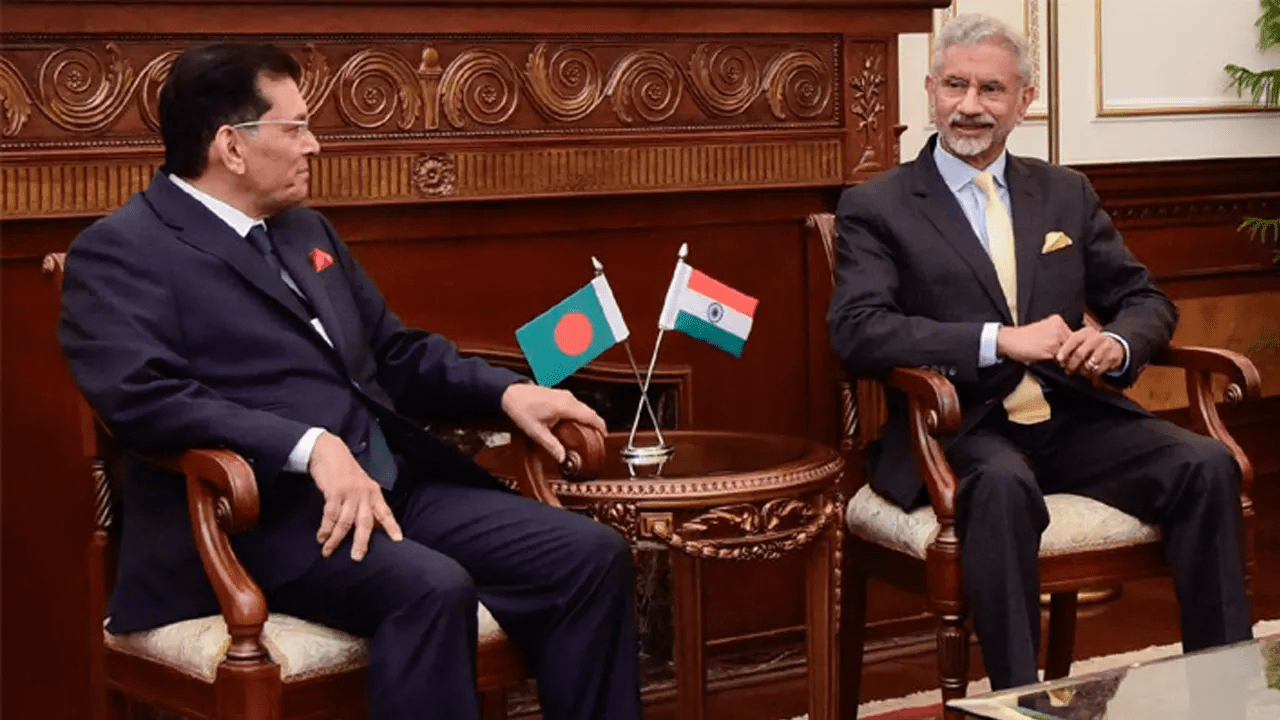
Now the diplomatic landscape of South Asia is shifting rapidly. Visiting Bangladesh Foreign Minister Khalilur Rahman delivered a firm message to New Delhi this Wednesday. First, he announced that the newly formed BNP government will follow a “Bangladesh First policy 2026.” Therefore, the Tarique Rahman administration aims to counterbalance the pro-India stance of the previous Sheikh Hasina era. Rahman emphasized that mutual trust and shared benefits must guide future relations. Meanwhile, India’s leadership has reiterated its desire to engage constructively with the new leadership in Dhaka.
Add businessleague.in as a Preferred Source


Also Read |Tamil Nadu Voter List Purge: 97 Lakh Names Deleted in SIR Phase 1
The ‘Bangladesh First’ Doctrine Explained
Now we must analyze what “Bangladesh First” actually means. First, the BNP government wants to prioritize national interest over historical alliances. Therefore, they are moving away from the “special relationship” seen under the Awami League.
Next, Khalilur Rahman made it clear that respect must be mutual. Thus, Dhaka expects New Delhi to treat the new government as an equal partner.
Meanwhile, this policy aims to satisfy domestic voters in Bangladesh. Therefore, the government is showing it can stand firm on the international stage. So the Bangladesh First policy 2026 is both a diplomatic tool and a political shield.
Ending the Hasina Era: A Diplomatic Reset
So why is this reset happening now? Bangladesh’s foreign affairs adviser Humayun Kabir was very direct this week. First, he stated that the chapter involving Sheikh Hasina’s trajectory is officially over. Therefore, the old patterns of cooperation will no longer continue.
Next, the new government believes the previous administration was too focused on India’s needs. Thus, they want to reset the balance of power.
Meanwhile, this shift creates some uncertainty in the Indian capital. Therefore, Indian officials are carefully studying every word from the new ministers. So the transition from a “trusted friend” to a “Bangladesh First” partner will take time.
The Extradition of Sheikh Hasina: A Point of Tension
Now the most sensitive topic of the visit has emerged. Khalilur Rahman reportedly sought the extradition of former PM Sheikh Hasina. First, he pointed out that the International Crimes Tribunal has handed her the death penalty. Therefore, Dhaka wants her returned to face justice.
Next, the request also includes former home minister Asaduzzaman Khan Kamal. Thus, the BNP government is putting immense pressure on New Delhi.
Meanwhile, the Indian readout made no mention of this specific demand. Therefore, it seems India is not ready to discuss the matter publicly. So this remains a massive point of friction between the two neighbors.
Also Read |Tamil Nadu Voter List Purge: 97 Lakh Names Deleted in SIR Phase 1
Security and The Osman Hadi Case
So is there any area of agreement? Yes, security remains a shared priority. First, Rahman thanked India for catching the suspected killers of Osman Hadi. Therefore, the two nations are still working together on criminal matters.
Next, both sides agreed that the arrested men would be returned to Bangladesh. Thus, they are following the established extradition treaty procedures.
Meanwhile, this cooperation shows that the relationship is not completely broken. Therefore, practical security needs can bridge the political gap. So India remains a vital partner for Bangladesh’s internal stability.
Visa Easing: India’s Olive Branch
Now India is attempting to keep the people-to-people ties strong. S. Jaishankar told Rahman that Indian visas for Bangladeshis would be eased. First, this specifically applies to medical and business visas. Therefore, India is keeping its doors open for those in need.
Next, this move helps reduce some of the public anger in Bangladesh. Thus, India is using “soft power” to maintain influence.
Meanwhile, thousands of Bangladeshis rely on Indian healthcare and trade. Therefore, easing these restrictions is a significant gesture of goodwill. So while the governments argue, the people may still stay connected.
Mutual Respect and Shared Benefits
Now what are the new rules of engagement? Khalilur Rahman emphasized three main pillars: trust, respect, and shared benefits. First, he believes the relationship was too one-sided in the past. Therefore, he wants to see clear gains for Bangladesh in every deal.
Next, the meeting with petroleum minister Hardeep Singh Puri focused on energy benefits. Thus, Dhaka wants a better deal on fuel and transit.
Meanwhile, National Security Adviser Ajit Doval also discussed regional respect. Therefore, the Bangladesh First policy 2026 is about ensuring that Dhaka’s voice is heard in regional security plans. So “shared benefits” will be the new metric for success.
Also Read |Tamil Nadu Voter List Purge: 97 Lakh Names Deleted in SIR Phase 1
Tarique Rahman’s Vision for 2026
So who is the architect of this shift? Prime Minister Tarique Rahman is the man leading the BNP government. First, he wants to build a new image for Bangladesh on the global stage. Therefore, he is looking for more balanced ties with China and the US as well.
Next, his vision involves a more independent foreign policy. Thus, he does not want to be seen as being in anyone’s “camp.”
Meanwhile, this approach appeals to a large section of the Bangladeshi youth. Therefore, Tarique Rahman is using “sovereignty” as a core theme of his leadership. So the Bangladesh First policy 2026 is a key part of his political legacy.
How India Views the Changing Tide
Now we must look at the view from Delhi. S. Jaishankar reiterated India’s desire to “engage constructively” with the new team. First, India does not want a hostile neighbor on its eastern border. Therefore, they are willing to listen to the new demands.
Next, the Indian readout was very cautious. Thus, they are avoiding any public clash over the Hasina issue.
Meanwhile, India wants to ensure that its security interests in the Northeast are protected. Therefore, they will likely trade visa easing for continued security cooperation. So the diplomacy of 2026 will be a series of careful trades and balances.
Common Questions Answered
What is the ‘Bangladesh First’ policy? Now it is a new doctrine from the BNP government. Therefore, it prioritizes Bangladesh’s interests over previous pro-India trajectories.
Is Sheikh Hasina going back to Bangladesh? First, the BNP government has formally requested her extradition. But India has not yet officially responded to this demand. Thus, the situation is uncertain.
Who is the new Prime Minister of Bangladesh? Next, Tarique Rahman is the Prime Minister leading the new BNP government in 2026.
Will it be harder to get an Indian visa now? Actually, no. S. Jaishankar promised that medical and business visas would be eased for Bangladeshis. Therefore, travel for these purposes should be easier.
What happened in the meeting with Ajit Doval? So they discussed regional security and mutual trust. Thus, security cooperation remains on the table despite the political reset.
Why is the Hasina era over? Finally, the new government believes her policies were too one-sided. Therefore, they are resetting all bilateral ties from scratch.
Also Read |Tamil Nadu Voter List Purge: 97 Lakh Names Deleted in SIR Phase 1
End….
Add businessleague.in as a Preferred Source

