

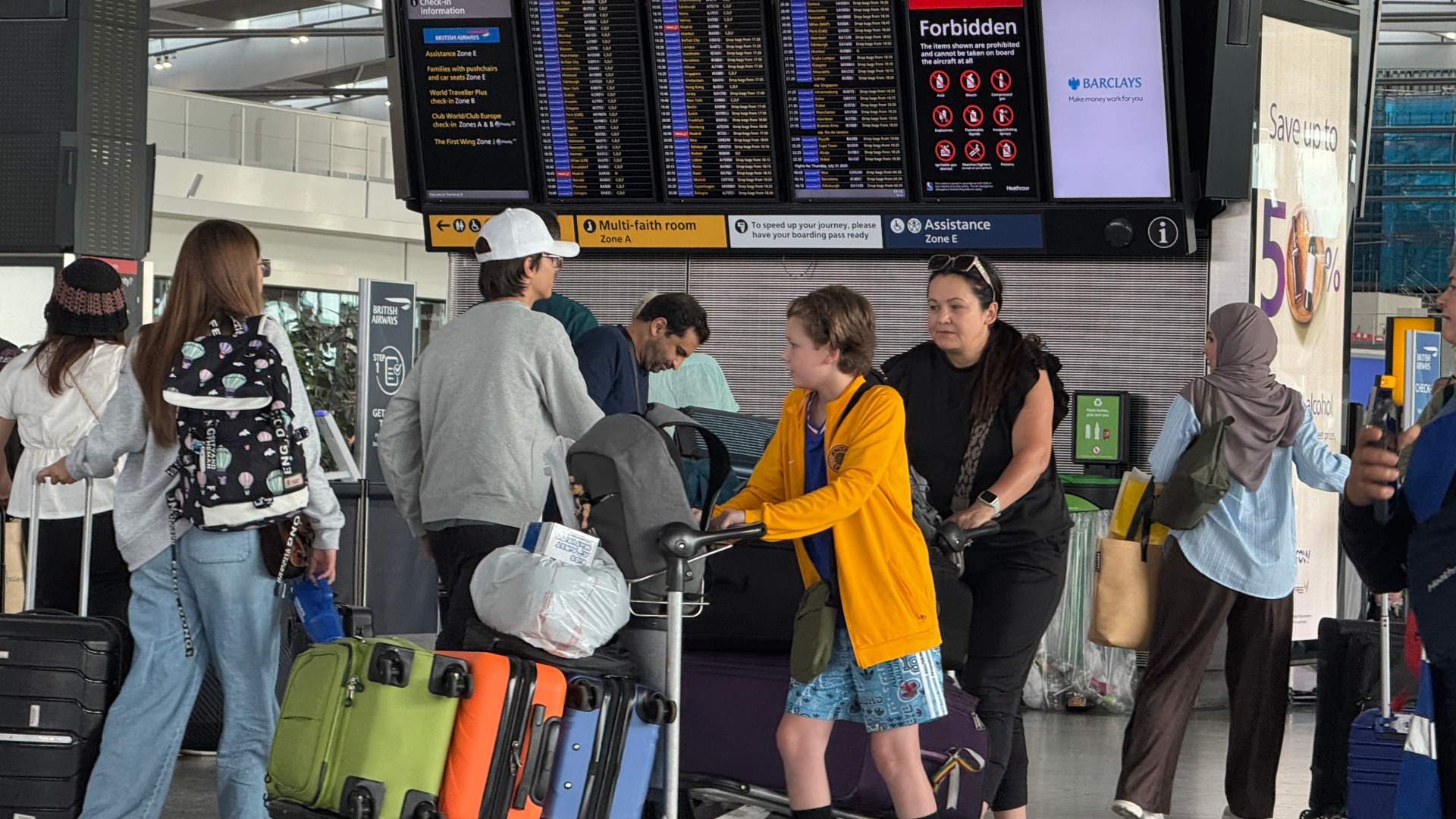
Asia’s aviation network is currently facing a massive systemic breakdown, with over 137 cancellations and 3,457 delays reported across 24 major airlines. From Tokyo Haneda to Delhi’s IGI, thousands of travelers are stranded during the peak holiday season as carriers like IndiGo, Japan Airlines, and Air China struggle with a combination of winter fog, operational mismanagement, and new regulatory hurdles.
Add businessleague.in as a Preferred Source


The “Holiday Meltdown” of 2025
The disruption has reached a boiling point this week, with IndiGo alone accounting for over 700 delays. While weather—specifically dense fog in Northern India and parts of Japan—is a major factor, a confidential DGCA report recently suggested that scheduling failures at major carriers have turned minor weather delays into a regional crisis. In India, the situation was further complicated by the implementation of Phase II of the Flight Duty Time Limitation (FDTL) rules, which increased mandatory pilot rest periods.
Also Read | DGCA Probe Report on IndiGo Crisis: Content Kept Confidential (2025)
Key Figures: Asian Airline Disruption Tally (Dec 26-27, 2025)
| Airline | Cancellations | Delays | Primary Known Cause |
| IndiGo | 4 | 716 | Scheduling & Winter Fog |
| Japan Airlines | 6 | 364 | Severe Congestion at Haneda |
| Air China | 13 | 175 | China-Japan Route Suspensions |
| China Southern | 12 | 202 | Seasonal Demand Overload |
| Batik Air | 10 | 100 | Operational Strains |
| Akasa Air | 2 | 127 | Crew Rostering Issues |
| Air India | 1 | 127 | Fog Impact in Delhi/Varanasi |
Why the Skies are Gridlocked
Aviation analysts and regulators point to four critical factors causing this “domino effect”:
Winter Weather & Pollution: Dense fog in Delhi, Varanasi, and Tokyo has reduced visibility to near zero, triggering the mandatory CAT-IIIB protocols.
The “SREI” Effect in Scheduling: Much like a financial bottleneck, the inability of airlines to adapt to new crew fatigue rules (FDTL) has left them with “plenty of pilots but no one to fly,” as rosters failed to align with legal rest requirements.
China-Japan Route Suspensions: Multiple Chinese carriers abruptly suspended 46 routes between China and Japan just before New Year, causing a massive spillover into remaining flights.
Airport Infrastructure Stress: Hubs like Singapore Changi and Incheon are seeing record-breaking passenger volumes that have outpaced current staffing levels.
Passenger Rights and “Air Sewa”
In India, the Ministry of Civil Aviation has activated the Air Sewa portal to handle the surge in grievances. Under current DGCA guidelines:
Cancellations: Airlines must provide an alternative flight or a full refund.
Delays (>6 hours): Carriers are generally required to provide free meals and refreshments.
Refunds: IndiGo alone has been ordered to process over ₹500 crore in pending refunds following its peak disruption earlier this month.
Conclusion
The current travel chaos serves as a stark reminder of the fragility of Asia’s rapid aviation growth. While airlines claim the “worst is behind them,” the upcoming New Year weekend is expected to see even higher traffic. Travelers are strongly advised to check their flight status at least 4 hours before departure.
Also Read | DGCA Probe Report on IndiGo Crisis: Content Kept Confidential (2025)
Disclaimer: Flight data is based on real-time tracking from aviation repositories and DGCA portals as of December 27, 2025. Schedules are subject to change due to ongoing weather conditions.
Add businessleague.in as a Preferred Source


